Non-Reactive Cookware: Safe Materials List & Food Safety Guide (2026)
What is non reactive cookware? Discover why 304/316 stainless steel is the safest non reactive pan and pot choice for acidic sauces, tomatoes, and food prep.


Technical B2B buying guides, stainless steel alloy comparisons, factory vetting checklists, and care tips for commercial kitchenware importers and private-label brands.

What is non reactive cookware? Discover why 304/316 stainless steel is the safest non reactive pan and pot choice for acidic sauces, tomatoes, and food prep.

Learn how stainless steel import tariffs work in 2026. Discover new calculations and implications for businesses in the trade landscape.

Discover the types of stainless steel cookware collections to find the perfect set for your cooking needs. Maximize performance and style today!

Compare international stainless steel cookware quality grading standards (ASTM, EN, JIS, GB), 304 vs 316 vs 430 label ratings, and commercial durability tiers.
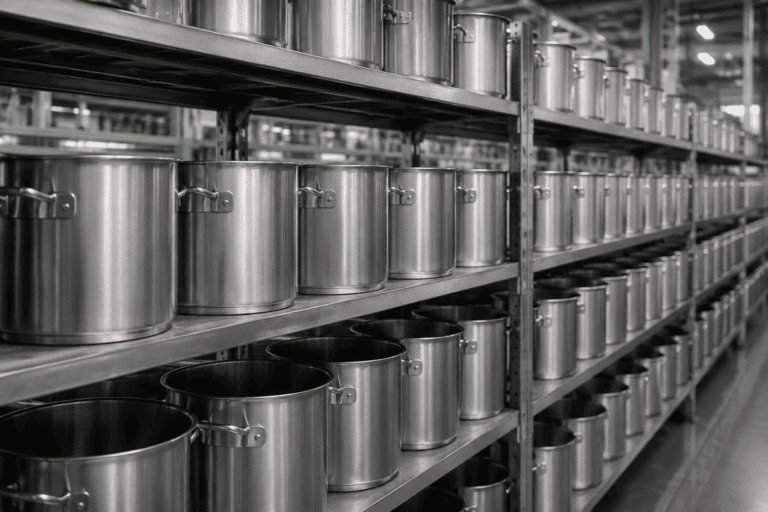
Understand cookware manufacturer MOQ (500–5,000 pcs), custom mold tooling costs, and production lead times when sourcing stainless steel kitchenware from China.
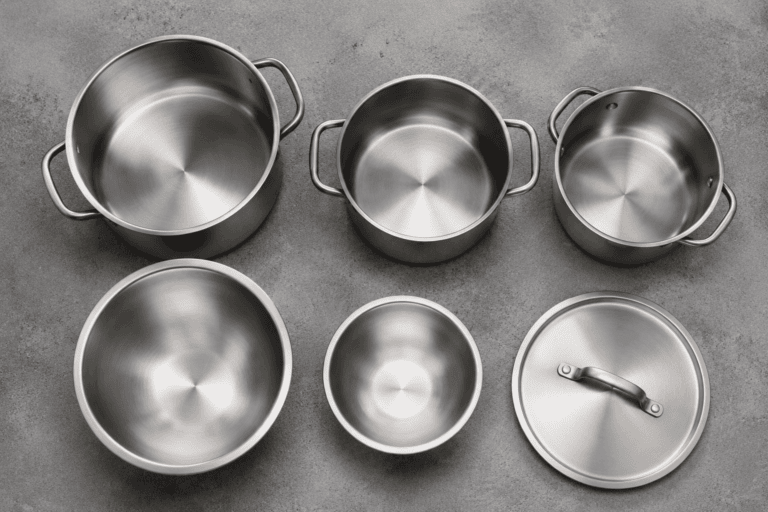
Step-by-step factory guide on how stainless steel cookware is made: coil slitting, hydraulic deep drawing, impact bonding, spot welding vs riveting, and polishing.

Discover how heat distribution in stainless steel works to enhance your cooking. Learn the science behind cookware construction for better results.

Heavy metal migration testing for stainless steel cookware: chromium, nickel, lead, and cadmium leaching limits under EU CM/Res(2013)9, German LFGB, and FDA.
Navigate the stainless kitchenware food safety compliance import process. Ensure your products meet global standards and avoid shipment delays.

Why stainless steel weld quality matters: sensitization, heat tint, passivation (ASTM A380/A967), WPS/PQR, NDT methods, and the real cost of weld defects in corrosive and food-contact service.