Food Grade Kitchenware Certifications: A US Compliance Guide
NSF, FDA, LFGB, ISO 22000 and SQF for stainless steel kitchenware: which schemes issue a document, and which cookware US food code actually requires.



Stainless steel grades, food-grade compliance, and material properties for kitchenware: 304 vs 316, 18/8, gauge and thickness, traceability and safety.

NSF, FDA, LFGB, ISO 22000 and SQF for stainless steel kitchenware: which schemes issue a document, and which cookware US food code actually requires.
What is a non-reactive pan? One whose surface won’t trade metal ions with acid: stainless, enamel, glass. FDA bars copper below pH 6. Full vessel glossary.
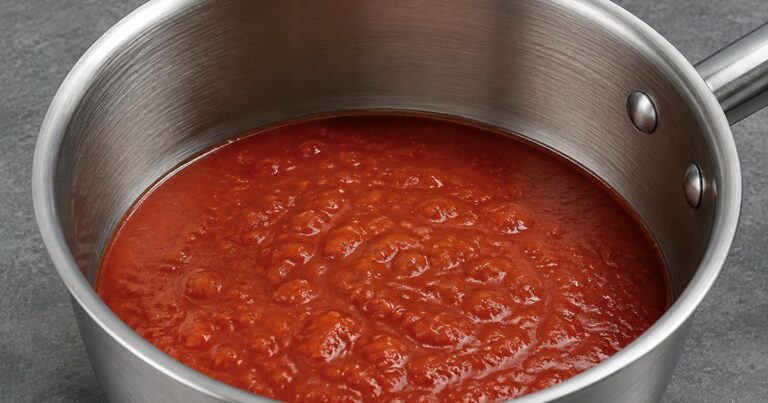
Materials Comparison Non-Reactive vs Reactive Cookware: Materials Compared (2026) Buyers comparing cookware materials keep running into the same two labels: reactive and non-reactive. Grades304 / 316L Key regulationFDA Food Code §4-101.14 MOQ500–5,000 pcs/SKU PublishedAugust 1, 2026 On this page Quick comparison Stainless steel Reactivity mechanism Reactive metals Non-reactive surfaces Heat conduction B2B specification FAQ Buyers…

Discover stainless steel cookware heat distribution types. Learn how core metals enhance cooking performance and choose the best for your kitchen.

Discover the benefits of 18/10 stainless steel cookware, including superior corrosion resistance, durability, and safety for all your cooking needs!

Stainless cookware gauge converted to mm: 12 gauge is 2.77 mm, 20 gauge is 0.95 mm. Learn why sourcing specs quote millimeters, plus grade and clad basics.

Discover the cookware weld quality food safety impact. Learn how proper welds ensure safe food contact and meet essential regulatory standards.

Discover how stainless steel corrosion resistance works. Learn about the critical role of chromium and passivation for engineers in their designs.

Discover the essential stainless steel gauge selection guide for engineers. Learn to choose the right gauge to prevent costly errors in metalwork.

Discover how stainless steel polish affects hygiene in kitchens. Learn to maintain safer, cleaner environments with effective surface treatments.