What Is a Non-Reactive Pan, Pot, or Bowl? A Buyer’s Glossary (2026)
Clear answers to what is a non reactive pan, what is a non reactive pot, nonreactive saucepan, and non reactive bowl—plus how to test your kitchenware.


Stainless steel grades, food-grade compliance, and material properties for kitchenware: 304 vs 316, 18/8, gauge and thickness, traceability and safety.
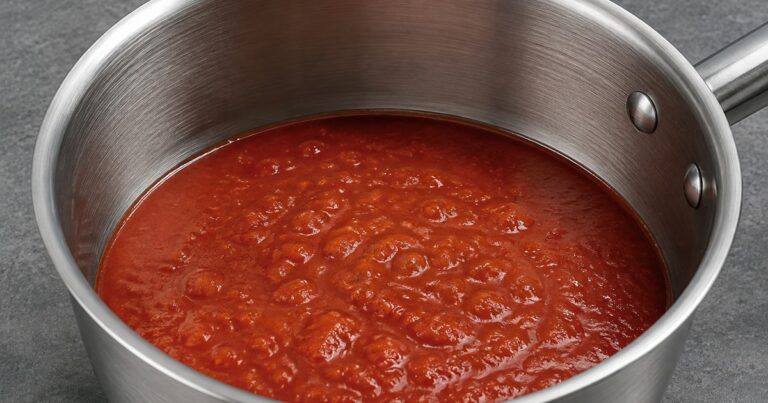
Clear answers to what is a non reactive pan, what is a non reactive pot, nonreactive saucepan, and non reactive bowl—plus how to test your kitchenware.
Is stainless steel non reactive or reactive? Compare non-reactive stainless steel, glass, and ceramic against reactive aluminum, copper, and cast iron pans.

Discover stainless steel cookware heat distribution types. Learn how core metals enhance cooking performance and choose the best for your kitchen.

What does 18/10 stainless steel mean? Compare 18/10 vs 18/8 stainless steel cookware, AISI 304 composition, corrosion resistance, and induction compatibility.

Convert stainless steel gauge to mm for cookware and bakeware: 16, 18, 20 & 22 gauge thickness chart, warp resistance, and optimal wall thickness by pot type.

Discover the cookware weld quality food safety impact. Learn how proper welds ensure safe food contact and meet essential regulatory standards.

Discover how stainless steel corrosion resistance works. Learn about the critical role of chromium and passivation for engineers in their designs.

Engineering guide to stainless steel sheet thickness tolerances (ASTM A480), deep-drawing thinning ratios, and structural deflection limits in metal fabrication.

Discover how stainless steel polish affects hygiene in kitchens. Learn to maintain safer, cleaner environments with effective surface treatments.
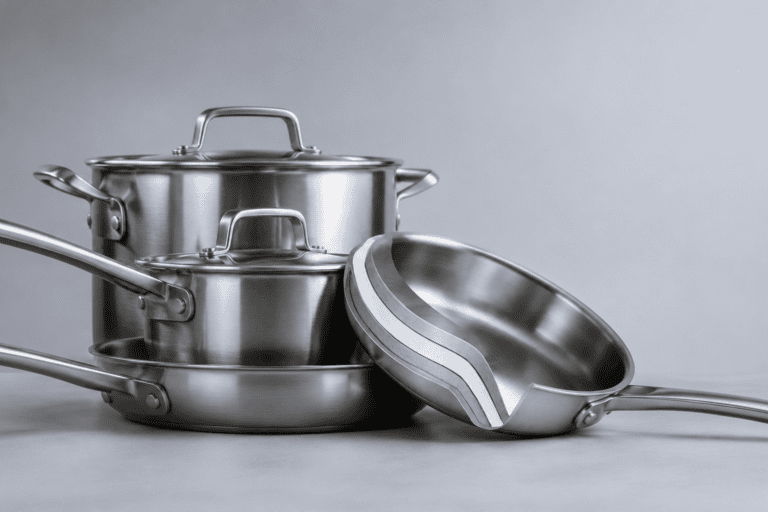
What is tri ply stainless steel cookware? Compare 3 ply vs 5 ply stainless steel thickness (2.6mm vs 3.0mm), thermal response, weight, and OEM unit cost.