
Non-Reactive Cookware: Safe Materials List & Food Safety Guide (2026)
Non-reactive cookware is defined as cookware made from materials that do not chemically interact with food during cooking, making the role of non-reactive cookware food safety a foundational concern for every professional kitchen and health-conscious household. Materials like 18/10 stainless steel, tempered glass, pure titanium, and uncoated ceramic resist chemical reactions with acidic and alkaline foods alike. Reactive cookware, by contrast, can transfer metals and compounds directly into your meals. The distinction matters because chronic chemical exposure from leached metals is the primary long-term risk, not any single meal cooked in the wrong pan.
What materials are classified as non-reactive cookware?
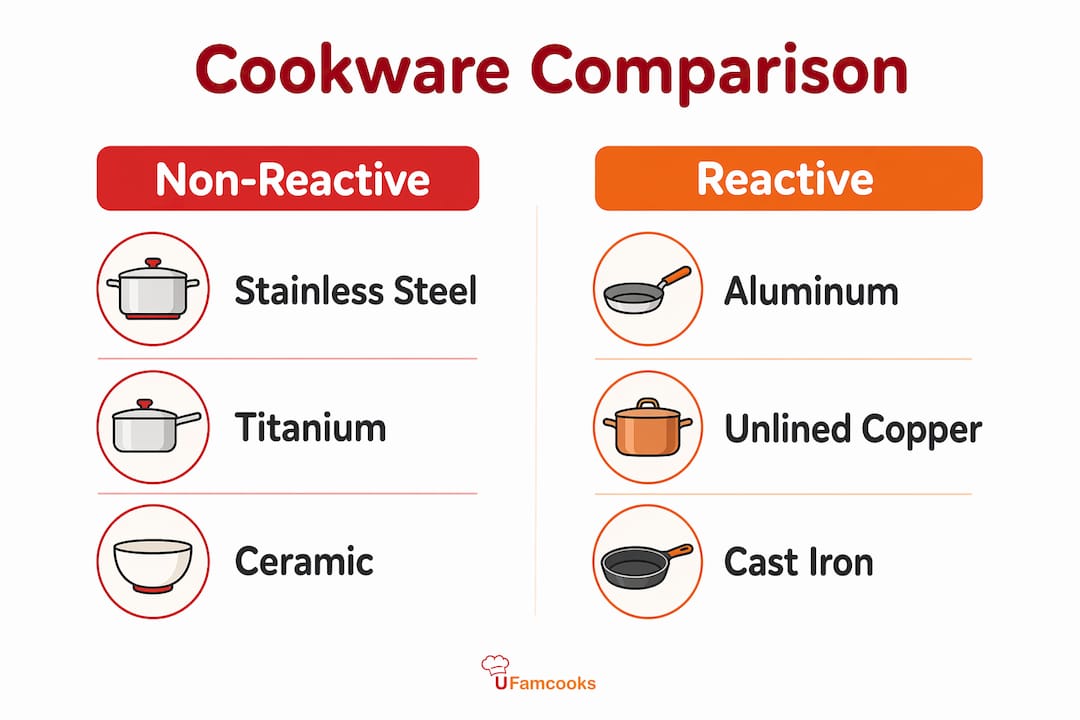
Non-reactive cookware covers four main material categories, each with a distinct safety profile. Understanding what separates them from reactive metals is the first step toward making informed purchasing decisions.
Stainless steel (18/10 alloy) is the most widely used non-reactive material in professional kitchens. The 18/10 designation refers to 18% chromium and 10% nickel content. Chromium creates a passive oxide layer that resists corrosion, while nickel adds durability. One important nuance: nickel content is the primary migration variable influencing leaching in stainless steel cookware, meaning individuals with nickel sensitivity should be aware of prolonged acidic cooking in these pans.
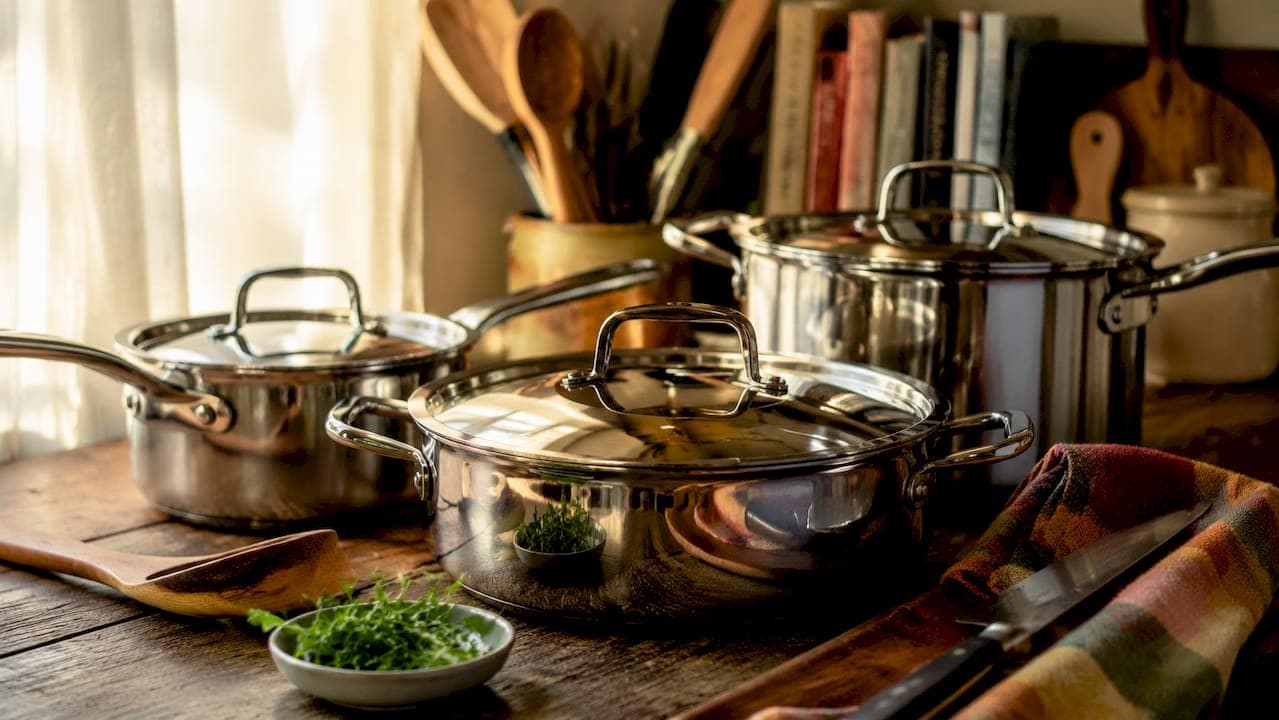
Pure titanium is the gold standard for chemical stability. Grade 1 titanium outperforms stainless steel, cast iron, and carbon steel in both biocompatibility and chemical stability, with the lowest metal migration of any cookware metal. It carries no coatings that could degrade over time.
Tempered glass is completely inert. It does not react with any food, acidic or alkaline, and releases no metals or compounds. Its limitation is fragility and poor heat distribution, which makes it better suited for baking and storage than stovetop cooking.
Ceramic cookware without lead or cadmium glazes is a safer alternative to traditional nonstick coatings. Some ceramic cookware uses Teflon-free coatings and offers good safety profiles when quality is assured. The critical qualifier is glaze composition. Low-quality ceramic glazes can contain lead or cadmium, so sourcing from verified manufacturers matters.
- 18/10 stainless steel: corrosion-resistant, widely available, suitable for most cooking tasks
- Pure titanium: highest chemical stability, coating-free, lightweight
- Tempered glass: fully inert, best for baking and oven use
- Uncoated ceramic: Teflon-free, safe when lead and cadmium are absent from glazes
Consumers should prioritize cookware where the cooking surface is the material itself to avoid risks of coating degradation and chemical exposure. Coatings can chip, peel, or degrade over time, leading to microplastic ingestion. Pure metal surfaces eliminate that category of risk entirely.
How does non-reactive cookware compare to reactive cookware?
Reactive cookware includes aluminum, unlined copper, and uncoated cast iron. These materials interact chemically with food, particularly acidic ingredients like tomatoes, citrus, and vinegar. The interaction transfers metals into the food and can alter flavor and color.
The food safety gap between reactive and non-reactive materials is measurable. Rice cooked in aluminum had 19.83 ± 0.18 mg Al/100 g, roughly 30–40 times more aluminum than the same rice cooked in stainless steel, copper with a lining, or earthenware. That figure illustrates how dramatically material choice affects what ends up in your food.
Nonstick coated pans present a separate but related risk. 79% of nonstick pans tested contained PFAS chemicals, despite carrying “nonstick” labeling that implies safety. PFAS are persistent chemicals linked to health concerns with long-term exposure. Teflon heated above 500°F emits fumes that cause polymer fume fever, a real risk when a pan is left empty on high heat.
| Material | Reactivity | Leaching risk | Best use case |
|---|---|---|---|
| 18/10 stainless steel | Low | Low (higher with acidic foods) | General cooking, sautéing, boiling |
| Pure titanium | None | Minimal | All cooking types, especially acidic foods |
| Tempered glass | None | None | Baking, oven roasting, storage |
| Uncoated ceramic | None | None (if lead/cadmium-free) | Baking, slow cooking |
| Aluminum (uncoated) | High | High | Not recommended for acidic foods |
| Copper (unlined) | High | High | Decorative or candy-making only |
| PTFE nonstick | Low (coating) | PFAS risk | Low-heat cooking only |
| Cast iron (uncoated) | Moderate | Iron transfer | High-heat searing |
The cooking performance differences are real but manageable. Aluminum conducts heat faster than stainless steel, which is why many professional pans use an aluminum core clad in stainless steel. This construction delivers the heat distribution of aluminum with the food-safe surface of stainless steel. Pure titanium heats less evenly than aluminum but wins on safety and weight.
What are the best practices for safe cooking with non-reactive pots?
Using non-reactive cookware correctly is as important as choosing the right material. Surface integrity is the single most critical factor in cookware safety.
- Inspect surfaces before every use. Surface damage greatly increases the risk of chemical or material particle leaching during cooking. Scratches, chips, and pitting on any cookware surface create pathways for metal or coating particles to enter food.
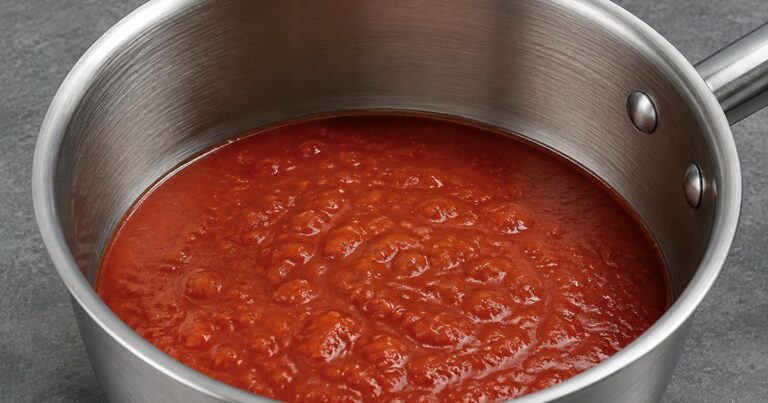
- Avoid prolonged acidic cooking in stainless steel. A clinical nutritionist advises avoiding highly acidic foods in stainless steel for long periods to reduce metal migration. A quick tomato sauce is fine. A four-hour tomato braise is not ideal.
- Season new stainless steel before heavy use. New stainless steel cookware may leach more metals initially. Seasoned pieces are less prone to leaching because the surface develops a more stable passive layer over time.
- Never overheat empty pans. This applies especially to any coated cookware. An empty nonstick pan left on high heat can reach dangerous temperatures within minutes. For uncoated stainless steel, extreme dry heat can cause surface discoloration and stress the metal.
- Use appropriate utensils. Metal utensils scratch stainless steel and ceramic surfaces. Silicone, wood, and nylon tools preserve surface integrity and extend the safe life of your cookware.
- Replace damaged cookware promptly. A scratched nonstick pan is not a minor cosmetic issue. It is a delivery mechanism for PFAS or microplastics directly into your food.
The impact of cookware on food safety extends beyond the cooking moment. Improper storage, stacking without protection, and harsh dishwasher detergents all degrade surfaces faster than normal cooking use.
What does recent research reveal about cookware and chemical migration?
The science on cookware safety has sharpened considerably in 2026. The clearest finding is that aluminum leaching from uncoated vessels is not a theoretical risk. It is a documented, measurable outcome that varies dramatically by material choice.
“The biggest concern with cookware safety is chronic exposure to leached chemicals over time rather than immediate toxicity.” University Hospitals, 2026
This framing matters for culinary professionals. A single meal cooked in an aluminum pot carries minimal acute risk. A career of cooking acidic foods in uncoated aluminum, however, represents a cumulative exposure that current research treats seriously. The same logic applies to PFAS from degraded nonstick coatings.
The PFAS finding is particularly striking. With 79% of nonstick pans containing PFAS chemicals, the assumption that a “nonstick” label signals safety is demonstrably wrong. Culinary professionals who rely on nonstick pans for daily service should audit their inventory against this reality.
Expert recommendations from food safety researchers consistently point toward vetting stainless steel cookware manufacturers for verified steel grades and quality control processes. The difference between 18/10 and 18/0 stainless steel is not marketing. It is a measurable difference in nickel content and therefore in leaching potential for sensitive individuals.
The research also reinforces that metal leaching is influenced by cooking time, temperature, food acidity, and cookware age. This means the same pan can be safe or risky depending entirely on how it is used. A well-maintained 18/10 stainless steel pan used for quick sautéing presents minimal risk. The same pan used for long acidic braises, especially when scratched, presents a meaningfully higher one.
Key takeaways
Non-reactive cookware prevents chemical migration into food, making material selection the most direct lever for food safety in any kitchen.
| Point | Details |
|---|---|
| Material choice determines risk | Aluminum leaches 30–40 times more metal than stainless steel when cooking the same food. |
| Surface integrity is non-negotiable | Damaged cookware surfaces increase leaching risk regardless of the base material. |
| PFAS in nonstick pans is widespread | 79% of tested nonstick pans contain PFAS chemicals, making coating-free surfaces the safer default. |
| Acidic foods amplify leaching | Limit prolonged cooking of tomatoes, citrus, and vinegar-based dishes in stainless steel. |
| New pans leach more than seasoned ones | Break in new stainless steel with low-acid cooking before using it for long acidic preparations. |
Why I think most kitchens are still getting this wrong
After years of working with culinary professionals and kitchenware manufacturers, the pattern I see most often is this: kitchens invest in expensive cookware and then use it in ways that undermine the safety advantage they paid for.
The most common mistake is treating “nonstick” as a synonym for “safe.” The PFAS data makes that assumption untenable. A scratched nonstick pan that cost $80 is not safer than a well-maintained stainless steel pan that cost $40. The coating is the liability, not the feature.
The second mistake is ignoring the age and condition of pans in active rotation. Professional kitchens replace knives on a schedule. They rarely apply the same discipline to cookware. A pan that has been in daily service for five years, scratched by metal tongs and run through an industrial dishwasher hundreds of times, is not the same pan it was when it arrived. Surface degradation is cumulative and largely invisible until it is significant.
My recommendation is straightforward. Prioritize coating-free surfaces wherever your cooking technique allows it. Use 18/10 stainless steel as your workhorse, pure titanium where budget allows, and tempered glass for anything going into the oven. Reserve any coated pan for low-heat, short-duration tasks and replace it at the first sign of surface damage. The material selection process is not a one-time decision. It is an ongoing practice.
— Jason
Upgrade your kitchen with non-reactive cookware from Ufamcooks
Ufamcooks manufactures stainless steel kitchenware built to the food safety standards that professional kitchens and health-conscious consumers require. Every product goes through a multi-stage quality control process, and the factory direct supply model means you get verified 18/10 stainless steel without the markup of middlemen. Whether you are sourcing for a restaurant group, a kitchenware brand, or your own kitchen, Ufamcooks offers OEM and ODM customization from material grade to packaging. Browse the full range of non-reactive cookware options and find the right material for every cooking application.
Browse the catalogFAQ
What is non-reactive cookware?
Non-reactive cookware is made from materials that do not chemically interact with food during cooking. Common examples include 18/10 stainless steel, pure titanium, tempered glass, and uncoated ceramic without lead or cadmium glazes.
Is stainless steel truly non-reactive?
Stainless steel is low-reactive rather than fully inert. It can leach small amounts of nickel and chromium, particularly when cooking acidic foods for extended periods, but leaching levels are generally well within safe limits for most people.
Why is aluminum cookware considered reactive?
Aluminum reacts chemically with acidic and alkaline foods, transferring metal into the food. Rice cooked in uncoated aluminum contains roughly 30–40 times more aluminum than rice cooked in stainless steel or earthenware.
Are nonstick pans safe to use?
Most nonstick pans carry PFAS chemicals, with 79% of tested pans showing detectable PFAS levels. Teflon-coated pans heated above 500°F also emit fumes that cause polymer fume fever, making low-heat use and regular replacement critical safety practices.
How do I know when to replace my cookware?
Replace any cookware showing visible surface damage, including scratches, chips, or pitting. Damaged surfaces increase chemical and particle leaching regardless of the base material, and no cleaning or seasoning process reverses structural surface degradation.