What Is a Non-Reactive Pan, Pot, or Bowl? A Buyer’s Glossary (2026)
Clear answers to what is a non reactive pan, what is a non reactive pot, nonreactive saucepan, and non reactive bowl—plus how to test your kitchenware.


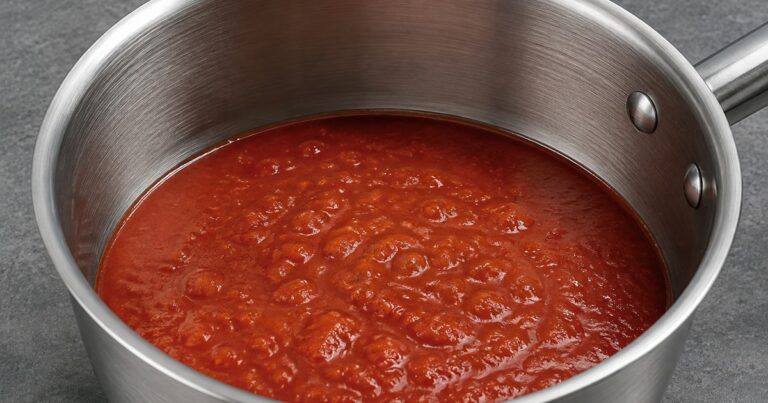
Clear answers to what is a non reactive pan, what is a non reactive pot, nonreactive saucepan, and non reactive bowl—plus how to test your kitchenware.

Electrochemical interference coloring grows a 0.02–0.36 µm oxide film; PVD adds a 0.3 µm ceramic layer. Methods, welding rules, and maintenance for buyers.

What is a milk pot? Compare 304 stainless steel milk pots, pour spout designs, capacity specs (500ml–1.5L), and induction base construction.

Discover essential wholesale supplier reliability indicators in our 2026 guide. Improve your procurement strategy and ensure consistent deliveries.

Discover the critical role of product spec sheets in wholesale. Ensure clarity, quality inspections, and efficient supplier communication.
Is stainless steel non reactive or reactive? Compare non-reactive stainless steel, glass, and ceramic against reactive aluminum, copper, and cast iron pans.
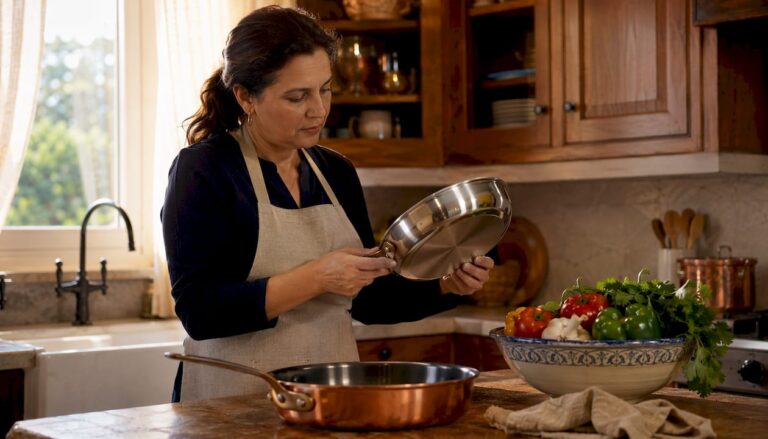
Discover stainless steel cookware heat distribution types. Learn how core metals enhance cooking performance and choose the best for your kitchen.

What does 18/10 stainless steel mean? Compare 18/10 vs 18/8 stainless steel cookware, AISI 304 composition, corrosion resistance, and induction compatibility.

Wholesale kitchenware pricing tiers 2026: HTS 7323.93.00 pays 2% duty plus 25% Section 232, and the published stack adds 47% to one $30,000 container.

Brand exclusivity in manufacturing: the 5-year non-compete ceiling, the 80% purchase threshold, and why 6.7% foreclosure sank a one-year contract in 1949.