
Types of Stainless Steel Cookware Collections Explained
Types of stainless steel cookware collections are distinguished by three factors: the steel grade, the ply construction, and the combination of pieces included. Get any one of those wrong and you end up with pots that warp, scorch, or simply don’t match how you actually cook. The industry standard term for these product groupings is “cookware sets,” but the collections vary widely in quality and composition. Brands like All-Clad, Cuisinart, and Calphalon each build their sets around different priorities, from heat responsiveness to induction compatibility. Understanding what separates one collection from another is the fastest way to spend your money well.
1. Types of stainless steel cookware collections by steel grade
Steel grade is the first thing to check on any cookware label. The grade tells you exactly what the metal is made of and how it will perform over years of daily cooking.
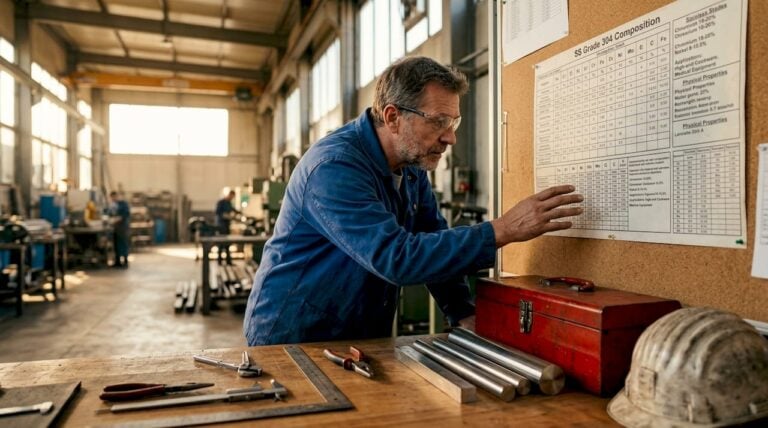
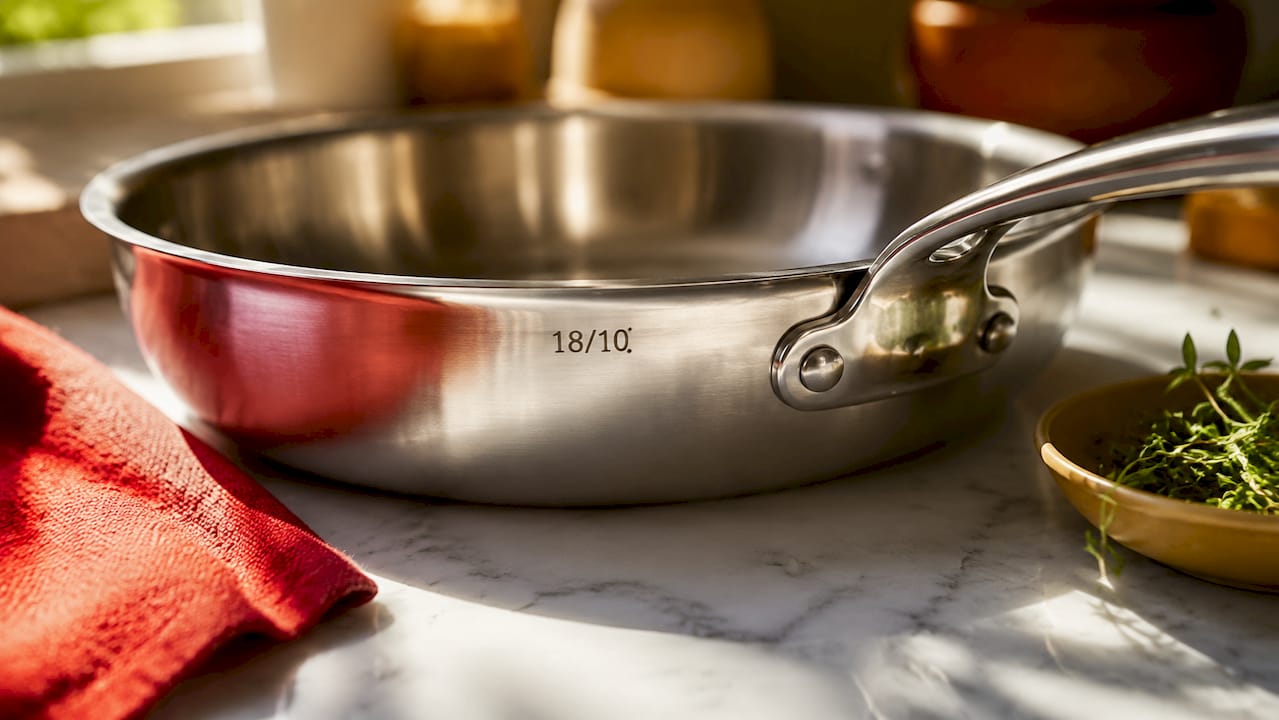
304 stainless steel (18/8 and 18/10) is the industry standard for cookware due to its durability and corrosion resistance. It contains 18% chromium and 8–10% nickel. The 18/10 variant carries slightly more nickel, which adds a brighter shine and marginally better rust resistance. Most collections from All-Clad, Cuisinart, and Calphalon use 304 steel for the cooking surface.
316 marine-grade stainless steel adds molybdenum to the alloy, which increases resistance to corrosive environments. It shows up in premium cookware collections designed for high-acid cooking or professional kitchens. The cost is higher, and for most home cooks, 304 performs just as well.
430 stainless steel is magnetic, which makes it useful as an induction-compatible base layer. It contains no nickel, which lowers the cost but also reduces corrosion resistance. You will find 430 in the outer layer of many budget-friendly stainless steel pot sets, bonded to a 304 interior.
- 304 (18/8 or 18/10): best for everyday cooking, corrosion resistant, widely available
- 316: best for acidic foods and premium use cases, higher cost
- 430: best as an induction base layer, budget-friendly, lower corrosion resistance
2. Ply construction: tri-ply vs. five-ply collections
Ply construction is the single biggest quality differentiator in stainless steel cookware. It refers to how many bonded metal layers make up the walls and base of the pan.
“Clad” construction bonds a conductive core, usually aluminum or copper, between layers of stainless steel. That core is what actually moves heat across the pan. Fully clad cookware extends the conductive layer up the entire side wall, not just the base. Disc-bottom cookware only has the layered base, which means the sides heat unevenly and food near the rim can scorch.
| Feature | Tri-ply (3-layer) | Five-ply (5-layer) |
|---|---|---|
| Heat responsiveness | Fast, precise | Slower, more gradual |
| Weight | Lighter | Heavier |
| Durability | Very good | Excellent |
| Best for | Most home cooks | High-volume or professional use |
| Price range | Mid-range | Premium |
Tri-ply construction balances weight, heat performance, and responsiveness, making it ideal for most home cooks. Five-ply sets are more durable but slower to respond to temperature changes, which can work against you when cooking delicate proteins or sauces that need quick adjustments.
3. Essential pieces in a stainless steel cookware set
A functional basic collection includes four core vessels: a 10 to 12-inch skillet, a 2 to 3-quart saucepan, a 4 to 6-quart sauté pan, and a large stockpot. Those four pieces cover searing, simmering, braising, and large-batch cooking. Every other piece in a larger set builds on that foundation.
Here is what each piece does and why it matters:
- Skillet (10–12 inch): The workhorse for searing steaks, frying eggs, and browning vegetables. A wider surface area means better contact with the heat source.
- Saucepan (2–3 quart): Ideal for cooking grains, making sauces, and reheating soups. The tall, narrow shape reduces evaporation.
- Sauté pan (4–6 quart): Straight sides hold more liquid than a skillet, making it the right tool for braising chicken thighs or building one-pan pasta dishes.
- Stockpot (8–12 quart): Built for soups, stocks, pasta water, and bulk cooking. A good stockpot with a tight-fitting lid is non-negotiable for serious home cooks.
- Specialty pieces: Larger collections from brands like All-Clad and Cuisinart sometimes include woks, braisers, or Windsor pans. These are useful additions but not starting points.
| Piece | Size | Primary use |
|---|---|---|
| Skillet | 10–12 inch | Searing, frying, browning |
| Saucepan | 2–3 quart | Sauces, grains, reheating |
| Sauté pan | 4–6 quart | Braising, one-pot dishes |
| Stockpot | 8–12 quart | Soups, pasta, bulk cooking |
UFamcooks offers a stainless steel pot with steamer set that covers multiple cooking functions in a single purchase, which is a practical starting point for building a complete kitchen.
4. How set size and piece count actually work
Set size is one of the most misunderstood aspects of buying stainless steel kitchen sets. A “12-piece set” sounds like twelve pots and pans. It rarely is.
Manufacturers count lids and utensils as individual pieces in the total. A 12-piece set may contain only seven actual cooking vessels. That is not deceptive marketing, but it does mean you need to read the product description carefully and count pots and pans separately from accessories.
Common set sizes and what they typically include:
- 3 to 5-piece sets: One skillet, one or two saucepans, sometimes a stockpot. Best for single-person households or minimalist kitchens.
- 7 to 10-piece sets: The most popular range. Covers the four core pieces plus a few extras. Good for couples and small families.
- 11 to 13-piece sets: Includes specialty pieces like a sauté pan, a second skillet size, or a steamer insert. Best for serious home cooks who cook daily.
Serious home cooks prefer buying a small, high-quality basic set and adding specialized pans over time. That approach avoids paying for pieces you never use and lets you invest more in the pieces you use every day.
| User profile | Recommended set size | Key pieces to prioritize |
|---|---|---|
| Single or small household | 3 to 5-piece | Skillet, saucepan |
| Family of 3–4 | 7 to 10-piece | All four core pieces |
| Serious home cook | Start with 5-piece, add on | Core set plus specialty pans |
| Professional-style kitchen | 10 to 13-piece | Full range including braisers |
5. Stainless steel vs. other cookware materials
Stainless steel is not the only option, and knowing where it wins and loses helps you decide how to choose cookware for your kitchen. The main alternatives are cast iron, carbon steel, and non-stick coated pans.
Stainless steel cookware lacks a chemical non-stick coating but resists chipping and degrading over time. Non-stick pans are easier for beginners but typically need replacing every few years as the coating wears. Cast iron holds heat longer but weighs significantly more and requires seasoning. Carbon steel sits between cast iron and stainless in weight and heat retention.
Stainless steel is the best long-term investment for cooks who want one set that handles everything from high-heat searing to acidic tomato sauces. It is also one of the most widely recognized non-toxic cookware options because it contains no PTFE or PFOA coatings.
6. Maintenance and performance tips for stainless steel
Stainless steel has a reputation for being difficult to cook on. That reputation is wrong. The issue is technique, not the material.
The Leidenfrost effect is the key to non-stick cooking on stainless steel. Preheat the pan over medium heat until a drop of water beads and rolls across the surface. Then add oil and wait until it shimmers before adding food. Food releases naturally once it has formed a proper sear. Beginners who skip preheating end up with stuck proteins every time.
Cleaning tips that protect your cookware:
- Deglaze with water or wine while the pan is still warm to lift stuck bits easily
- Use Bar Keepers Friend for stubborn stains and discoloration
- Avoid steel wool, which scratches the surface and dulls the finish
- Do not put stainless steel in the dishwasher repeatedly if you want to preserve the shine
Stainless steel’s durability makes it a better long-term value than non-stick, despite the perceived maintenance difficulty. A well-made fully clad set can last decades with basic care.
Key takeaways
The best stainless steel cookware collection combines 304-grade steel, fully clad tri-ply construction, and the four core pieces: skillet, saucepan, sauté pan, and stockpot.
| Point | Details |
|---|---|
| Steel grade matters | Choose 304 (18/10) for the cooking surface; 430 is acceptable only as an induction base layer. |
| Fully clad beats disc bottom | Clad construction extends the heat core up the sides, preventing scorching and uneven cooking. |
| Tri-ply is the practical choice | Tri-ply heats faster and weighs less than five-ply, making it better for most home kitchens. |
| Count actual cooking vessels | A 12-piece set may include only 7 pots and pans; always count pieces separately from lids and tools. |
| Build your set over time | Start with a quality 5-piece core set and add specialty pans as your cooking expands. |
What I’ve learned from years of cooking with stainless steel
Most people overthink the grade and underthink the construction. I spent years chasing the “best” steel designation before realizing that a fully clad tri-ply pan in standard 304 steel outperforms a disc-bottom pan in premium 316 every single time. The clad construction is what actually matters for day-to-day cooking results.
My honest recommendation for most home cooks: buy a quality 5-piece fully clad tri-ply set and stop there. Do not buy a 13-piece set upfront. You will use three of those pieces constantly and the rest will sit in a cabinet. Once you know which specialty tasks you actually do, add a single piece at a time. A good stainless steel cooking pot added six months after your starter set will serve you better than a mediocre piece bundled into a large collection.
The other thing nobody tells you: stainless steel rewards patience. Preheat the pan properly, and it performs beautifully. Rush it, and you will fight the surface every time. That learning curve is short, and once you clear it, you will never go back to non-stick.
— Jason
Build your kitchen with UFamcooks stainless steel collections
UFamcooks manufactures stainless steel cookware across multiple grades and ply configurations, built for home cooks who want quality without paying retail markups. Their factory-direct model means you get the same construction quality found in top cookware brands at a lower price point. Whether you are starting with a core set or adding specialty pieces, UFamcooks offers collections that cover every cooking style. Explore their full stainless steel cookware catalog to find the right combination of pieces, grades, and ply options for your kitchen. Every collection is backed by multi-stage quality control and ships with transparent delivery scheduling.
Browse the catalogFAQ
What is the best stainless steel grade for cookware?
304 stainless steel (18/10) is the best grade for everyday cookware. It offers strong corrosion resistance, durability, and is used by top cookware brands including All-Clad and Cuisinart.
What does “fully clad” mean in a cookware set?
Fully clad means the conductive metal core extends up the entire side wall of the pan, not just the base. This prevents hot spots and scorching, and it produces more even cooking results than disc-bottom designs.
How many pieces do I actually need in a stainless steel set?
A functional starter set needs four pieces: a skillet, a saucepan, a sauté pan, and a stockpot. Those four vessels handle the vast majority of everyday cooking tasks.
Is stainless steel cookware non-toxic?
Yes. Stainless steel cookware contains no PTFE or PFOA coatings, making it one of the most widely recommended non-toxic cookware options. It does not leach chemicals into food under normal cooking conditions.
Why does food stick to stainless steel pans?
Food sticks when the pan is not properly preheated. The Leidenfrost effect requires preheating the pan until water beads on the surface, then adding oil until it shimmers, before any food touches the pan. Skipping that step is the cause of nearly all sticking problems.
Recommended
- How Heat Distribution in Stainless Steel Works
- Stainless Steel Cookware Pot with Steamer Set – Excellent Kitchenware Manufacturer & Supplier
- Stainless Steel Cooking Pot with Lid – Excellent Kitchenware Manufacturer & Supplier
- Stainless Steel Cookware Import Duty Categories 2026
- The Best Milk Pot for Home Cooks: 2026 Buyer’s Guide
- Stainless Steel Cookware Sets Catalog