Why Product Reliability Affects Wholesaler Reputation
Examines why product reliability directly dictates wholesaler reputation with retail buyers. Covers defect rate thresholds, OTIF benchmarks, AQL 1.5 sampling, and CPSC Section 15(b) recall risk.


Technical B2B buying guides, stainless steel alloy comparisons, factory vetting checklists, and care tips for commercial kitchenware importers and private-label brands.

Examines why product reliability directly dictates wholesaler reputation with retail buyers. Covers defect rate thresholds, OTIF benchmarks, AQL 1.5 sampling, and CPSC Section 15(b) recall risk.

How custom stainless steel lid manufacturing works: brief, golden sample approval, stamping vs spinning tooling economics, QC, and US compliance for brands.

Complete compliance guide to FDA 21 CFR, German LFGB Section 31, EDQM heavy metal migration limits, and NSF/ANSI 2 standards for stainless steel kitchenware.
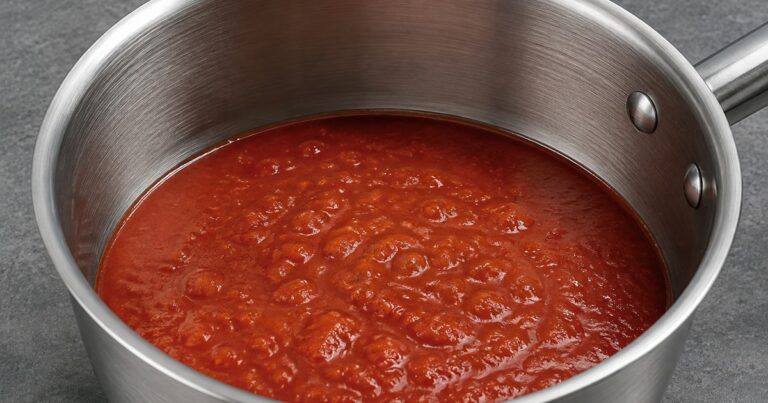
Clear answers to what is a non reactive pan, what is a non reactive pot, nonreactive saucepan, and non reactive bowl—plus how to test your kitchenware.

Electrochemical interference coloring grows a 0.02–0.36 µm oxide film; PVD adds a 0.3 µm ceramic layer. Methods, welding rules, and maintenance for buyers.

What is a milk pot? Compare 304 stainless steel milk pots, pour spout designs, capacity specs (500ml–1.5L), and induction base construction.

Discover essential wholesale supplier reliability indicators in our 2026 guide. Improve your procurement strategy and ensure consistent deliveries.

Discover the critical role of product spec sheets in wholesale. Ensure clarity, quality inspections, and efficient supplier communication.
Is stainless steel non reactive or reactive? Compare non-reactive stainless steel, glass, and ceramic against reactive aluminum, copper, and cast iron pans.

Discover stainless steel cookware heat distribution types. Learn how core metals enhance cooking performance and choose the best for your kitchen.